
Child Counseling & Play Therapy in Arvada
Why Choose Us for Child Therapy?
Big Emotions Need a Safe Place to Land
Compassionate Child Psychotherapy in Arvada

"I Just Want My Happy Kid Back."
It is heartbreaking to watch your child struggle and feel like you can't reach them. We believe that big emotions need a safe place to land. At 70 West Counseling, our specialized child counseling in Arvada acts as a supportive guide for parents who are noticing changes that worry them—behaviors that seem like more than just "a phase."
Do any of these sound familiar?
- The Explosion: Sudden outbursts of anger, aggression, or meltdowns over small things.
- The Retreat: Withdrawing from family, hiding in their room, or losing interest in things they used to love.
- The Physical Symptoms: Frequent stomach aches or headaches, especially on school mornings (School Refusal).
- The Big Worries: Excessive fear about safety, separation anxiety, or needing constant reassurance.
If you are nodding your head, you are not failing as a parent. Your child is simply struggling to process their world, and they need a new set of tools to handle it.
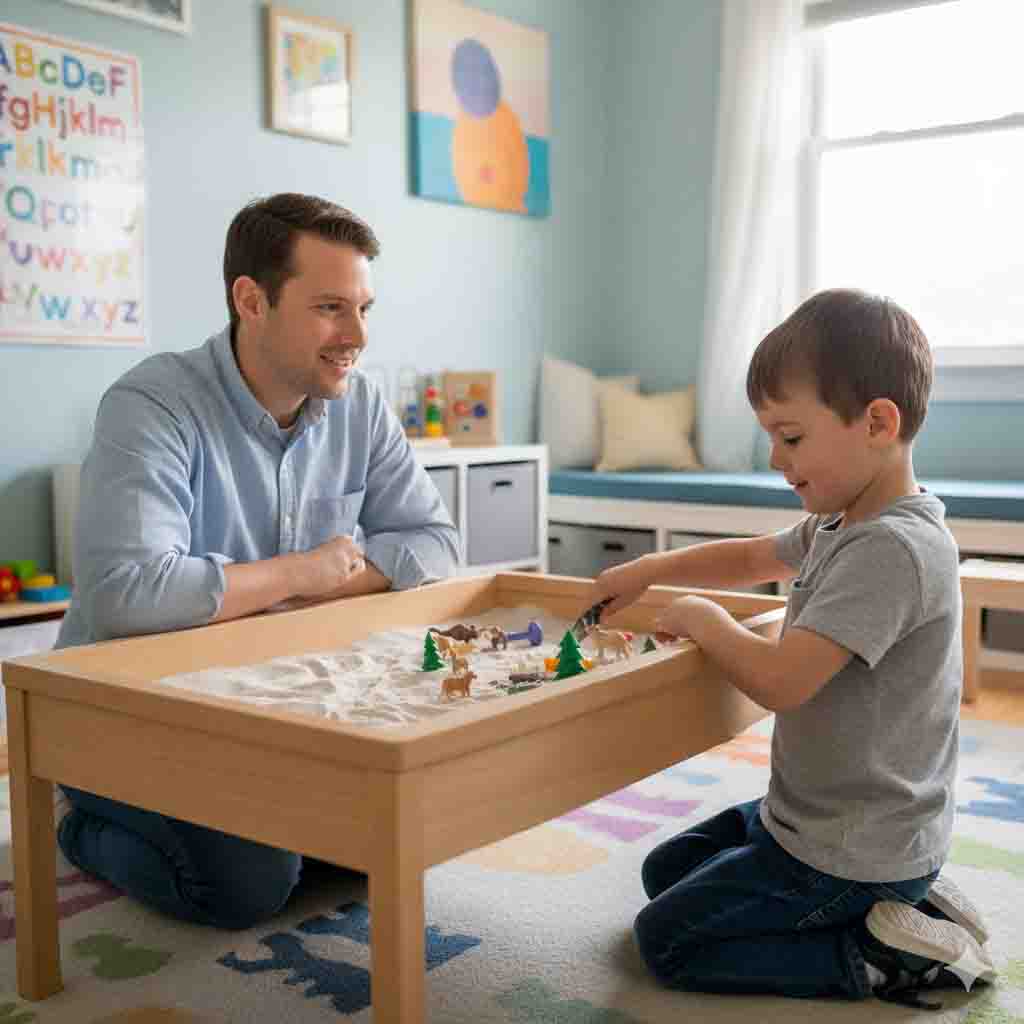
Our Approach: Why Play Therapy Works
Adults process emotions by talking. Children process emotions by playing.
At 70 West Counseling, our child psychotherapists use Play Therapy and expressive arts to meet your child at their level. We don't force them to sit on a couch and "explain" their anxiety. Instead, we enter their world.
Through a safe, structured play environment, your child learns to:
- Name their feelings (moving from "acting out" to "speaking out").
- Regulate their body when they feel angry or scared.
- Process trauma or difficult life changes at their own pace.
- Build confidence and problem-solving skills.
Conditions We Treat: ADHD, Anxiety, Depression, Trauma & Loss
Anxiety & Perfectionism
For the child who worries about everything or melts down when they make a mistake. We teach them how to "talk back" to their worry brain and take risks again.
ADHD & Impulse Control
We help children with ADHD understand how their unique brain works. We focus on building executive functioning skills, impulse control, and self-esteem in a world that often demands they "sit still."
Trauma & Grief
Whether it’s the loss of a loved one or a scary event, children hold trauma in their bodies. We provide trauma-informed care to help them release the fear and feel safe again.
Divorce & Family Changes
Navigating two homes or a changing family dynamic is confusing. We offer a neutral space for your child to express their confusion and grief without worrying about "taking sides."
High-Quality Care for Every Family Budget

We believe financial stress shouldn't prevent your child from getting the help they need. To support our community, we offer a multi-tiered approach to care, allowing you to choose the level of expertise and price point that best fits your family's needs.
Collaborative Clinical Support (Interns & Candidates)
When you work with one of our Master’s-level Candidates or Interns, your child benefits from two clinical minds instead of one. These clinicians receive rigorous oversight from our senior staff and bring fresh, up-to-date energy to their work. We offer these sessions at a reduced rate with immediate availability.
Specialized Care (Licensed Clinicians)
For complex cases or specific diagnostic challenges, our experienced LPCs and Psychotherapists provide deep expertise and specialized interventions drawn from years of dedicated post-graduate experience.
Collaborative Clinical Support (Interns & Candidates)
When you choose to work with one of our Master’s-level Candidates or Interns, your child benefits from two clinical minds instead of one. By choosing a clinician in the final stages of their advanced training, you can access high-quality care at a significantly reduced rate with immediate availability.
- Expert Oversight: Our practitioners work under the close, rigorous supervision of our senior staff, ensuring every treatment plan is backed by decades of collective experience.
- Fresh Perspectives: These clinicians are deeply immersed in the latest therapeutic research, bringing vibrant, up-to-date energy to their work with children.
- Accessible Rates: Professional support is made more attainable through our reduced-fee clinical fellowship program.
Specialized Care (Licensed Clinicians)
For families navigating more complex clinical cases or specific diagnostic challenges, our fully licensed LPCs and Psychotherapists offer deep expertise. These senior clinicians provide specialized interventions, drawing on years of dedicated post-graduate experience to support your child’s long-term growth.
FAQ
How do I know if my child needs therapy or if it's just a phase?
Trust your gut. If a behavior is interfering with their daily life (sleeping, eating, school, friendships) or if it has lasted longer than a few weeks, it is worth a consultation. Early intervention often prevents small struggles from becoming big problems.
Do I sit in the room with my child?
Usually, the first session is with just the parents to get a full history. For the child's sessions, it depends on their age and needs. Often, we have the child in the room alone to build independence, but we may bring parents in for specific activities or "filial therapy" sessions.
How long does play therapy take?
Every child is unique. Some children need a few months to learn coping skills, while others dealing with deeper trauma may need longer support. We will review the treatment plan with you regularly.
Can a child be depressed without being sad?
Absolutely. In children under 12, depression often looks like irritability. If your child is constantly grumpy, defiant, or prone to outbursts, they may be struggling with depression. Therapy provides a safe place for them to learn how to express those big feelings with words rather than behaviors.
At what age can depression start?
Depression can appear as early as age 3; however, it is more common after puberty, around age 12.
Let’s Help Them Find Their Smile Again.
You don't have to figure this out alone. Our team is ready to support your child and your whole family.
Ages 7+ | Play Therapy | Parent Support